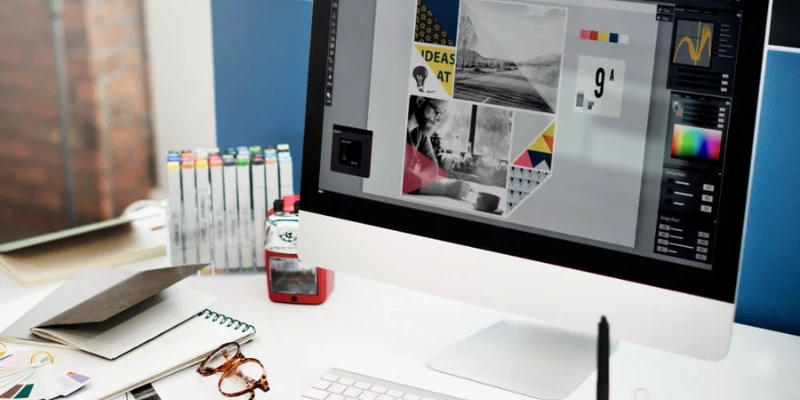
Graphic design involves much more than creating visually attractive images. Designers work with branding, marketing materials, user interfaces, advertisements, social media content, and digital communication projects that require structured workflows and specialized tools. Modern design projects often involve collaboration, revisions, asset management, and multiple output formats. Understanding the tools and workflows used in graphic design helps beginners build practical industry knowledge. During Graphic Design Courses in Trichy, learners often explore both creative software and professional workflows to understand how real design projects are managed from concept to final delivery.
Designing with Adobe Photoshop
Adobe Photoshop is one of the most widely used tools in graphic design. Designers use it for image editing, photo manipulation, digital artwork, social media graphics, and web visuals. Photoshop supports layer-based editing, advanced effects, and detailed image adjustments. It is especially useful for projects involving raster graphics and visual enhancement work.
Creating vector graphics with Illustrator
Adobe Illustrator is commonly used for creating logos, icons, illustrations, typography, and scalable vector artwork. Unlike raster-based software, vector graphics maintain quality even when resized. Designers use Illustrator for branding projects, print materials, packaging, and professional artwork that requires sharp and flexible design elements.
Working on layouts with InDesign
Designers often use Adobe InDesign for layout-based projects such as brochures, magazines, books, flyers, and reports. It helps organize text, images, and design elements into structured page layouts. InDesign supports print-ready formatting and is widely used in publishing and marketing industries for professional document design.
UI and digital design tools
Modern graphic design frequently overlaps with user interface and web design. Tools like Figma, Adobe XD, and Sketch are commonly used for creating website layouts, mobile app designs, and interactive prototypes. These platforms support collaborative workflows where multiple designers and developers can work together efficiently on digital products.
Importance of design workflows
Graphic design workflows help organize projects from initial concepts to final delivery. Designers usually begin with research, brainstorming, sketching, and mood boards before creating digital drafts. Structured workflows improve productivity, reduce confusion, and help maintain consistency throughout the project lifecycle. Proper planning also makes client communication easier during revisions and approvals.
Asset management and organization
Managing fonts, images, icons, color palettes, and design files is an important part of professional graphic design. Organized asset management improves workflow efficiency and prevents file confusion during large projects. During practical sessions in the Digital Marketing Course in Erode, learners often understand how proper file organization supports smoother collaboration and faster project completion.
Collaboration with teams and clients
Graphic design projects often involve collaboration with marketers, developers, content writers, and clients. Designers use communication and project management tools such as Trello, Slack, Notion, or Asana to track progress and feedback. Collaborative workflows help teams manage revisions, deadlines, and approval stages more effectively.
Preparing designs for print and digital platforms
Different projects require different output formats depending on where designs will be used. Print designs require attention to resolution, color modes, bleed settings, and export quality. Digital designs focus more on responsiveness, file size, and screen optimization. Designers must adjust workflows based on project requirements and delivery platforms.
Maintaining consistency through branding
Brand consistency is a major focus in graphic design workflows. Designers often follow brand guidelines related to colors, typography, spacing, and visual style across all materials. Consistent branding improves recognition and creates a professional visual identity for businesses and organizations.
Graphic design commonly uses tools such as Adobe Photoshop, Illustrator, InDesign, Figma, and Adobe XD for creating visual content, layouts, branding, and digital interfaces. Structured workflows involving research, sketching, collaboration, asset management, and final production help designers manage projects efficiently and maintain design quality. Professional workflows improve consistency, communication, and productivity across creative projects. Learners developing creative and technical skills through Graphic Design Courses in Erode often realize that mastering both tools and workflows is essential to successfully handle real-world design projects.
Also Check: Simple And Impressive Graphic Design Techniques